
How to Use Combat Lessons From Iraq To Improve Your Business

Many business leaders overlook leadership lessons from the military because we don’t think they cross the chasm between the harsh realities of war and the world of business.
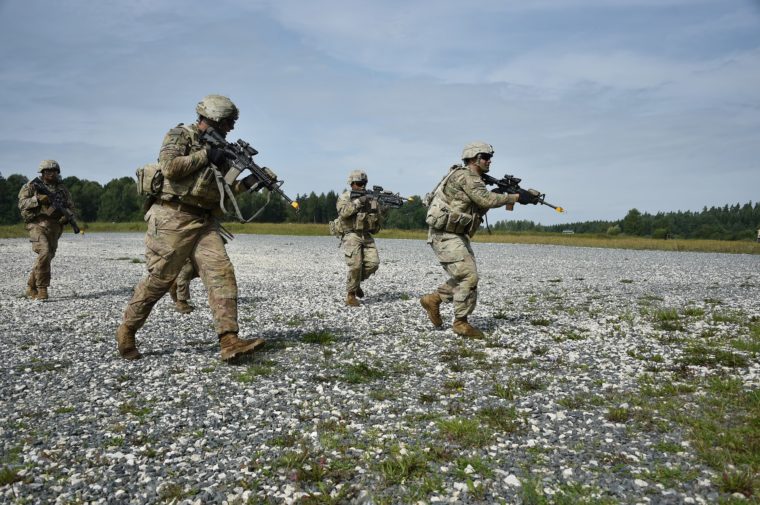
I would argue that, regardless of the differences in operating environments, the same leadership principles do apply. In fact, the leadership principles tried and tested in the most extreme combat conditions must be applied in the world of business! If business leaders are not leveraging leadership lessons from the military then we are doing ourselves and our organizations a great disservice.

For example, how many times have we seen a power struggle between two mid-level business unit managers while the leader of these managers is too scared or preoccupied to take action to resolve the situation. When the lack of action by the leader allows the squabbling to continue, inevitably the whole business suffers. Morale drops, production and sales fall, customer relations are hurt and eventually the bottom line of the business feels the impact. The inability of a leader to take decisive action to resolve internal strife will damage your business.

This inaction and lack of decisiveness is not tolerated in military leadership. Lack of decisiveness costs lives in combat. Plain and simple.

It seems pretty easy to transfer this lesson from the military arena to the world of business but what about other leadership lessons?

Extreme Ownership

How U.S. Navy SEALs Lead and Win

This week’s book review is Extreme Ownership by Jocko Willink and Leif Babin.

Willink and Babin have earned their leadership stripes in some of the toughest environments known to mankind – as SEAL team leaders under combat conditions in Ramadi, Iraq. These guys definitely have what it takes and know what true leadership is all about. After leaving active service Willink and Babin started their own business consultancy called Echelon Front where they apply their leadership expertise into the business world. Extreme Ownership summarizes their leadership experience and knowledge and how it can be applied to the business world.

My takeaway from this book is the 12 Leadership Principles summarized briefly below:

How To Overcome Fear So It Doesn’t Destroy Your Business

The biggest obstacle standing between you and fulfilling the vision for your organization is fear!

I recently had a chance to listen to Gary Haugen speak at a conference and he was really clear about this point. Fear is the silent destroyer of dreams.

Leadership begins with a dream and fear fights hard to destroy it! Leaders must be vigilant and not give in to fears.

What would have happened if Winston Churchill would have given in to his fears and given up hope that Allies would prevail? What would have happened if Martin Luther Jr. would have given into his fears and not shown up for his “I Have a Dream” speech?

How to Build a High Performance Business

A high performance business is created by building a high performance team. A high performance team is created by studying, building, and expecting excellence from all your staff.

I have had the opportunity to lead quite a few high performance teams over the years. I can say that it is so much easier to spend the time and money to build a high performance team than it is to limp along with “bums in chairs!”

High performance teams can overcome incredible obstacles.