
Communicate Your Brand Promise Like An Industry Leader

A few weeks ago I introduced a tool called the Business Compass. This tool provides the means of visually communicating your organization’s vision, mission, values, brand promise, leadership behaviors and strategic and operational priorities. I have previously blogged about vision, mission, values and strategic and operational priorities but what about Brand Promise?
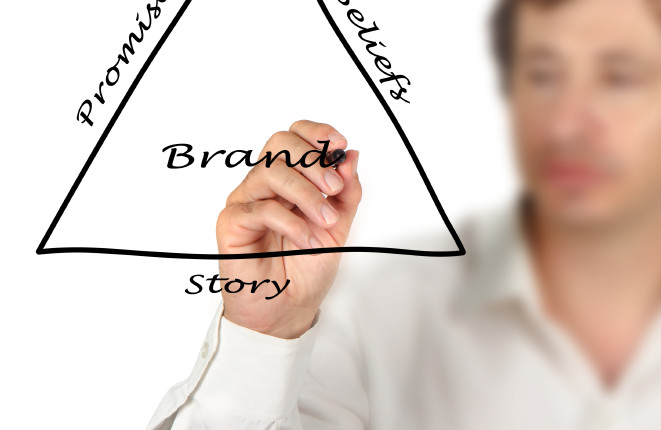
Brand Promise is simply what the company promises to the people who interact with it. Companies that are able to follow through on their brand promise, create real brand value with their customers. This brand value can be measured in a number of different ways (see the Forbes article “Worlds Most Valuable Brands – Behind the Numbers” for one example) but essentially it comes down to how well known and respected the organization is and how much revenue this notoriety brings in. Forbes also rates the Valuable Brands with Apple, Microsoft and Coca-Cola right at the top of the list for last year.

The important thing to remember is that a brand isn’t what you say it is unless your corporate actions, services and products align with the brand promise. The litmus test for this is to ask your customers. They are the ultimate judge for a brand. Ask your customers what your organization means to them and you will get a excellent picture of what your brand is outside the walls of your organization.

Protean Corporation

In his book The Future Arrived Yesterday: The Rise of the Protean Corporation and What It Means for You, Michael S. Malone defines a new phenomenon in the corporate world which he calls the Protean Corporation (Protean means the ability to change into many different forms or to do many different things). The Protean Corporation is a new form of organization that is structured to handle the stresses and strains we see emerging in our marketplace today. Stresses ranging from the retiring baby boomers being replaced by Gen Xer’s, Gen Y’s and millennials to the rising Asian workforce, continuous Internet connectivity, the pace of technological change, dramatic increases in new consumers, the emerging nations and the rise in entrepreneurialism. These stresses and strains are unleashing an unprecedented rate of change into the marketplace, a rate of change that has never before been experienced and one that the organizations today struggle to handle successfully.

According to Malone, the Protean Corporation “must find a way to continuously and rapidly change almost everyone of their attributes – products, services, finances, physical plant, markets, customers, and both tactical and strategic goals – yet at the same time retain a core of values, customs, legends, and philosophy that will be little affected by the continuous and explosive changes taking place just beyond its edges.”

How can the Protean Corporation do this? By structuring itself into three distinct groups;

What Are Your Strategic and Operational Priorities?

A few weeks ago I introduced a tool called the Business Compass. This tool provides the means of visually communicating your organization’s vision, mission, values, brand promise, leadership behaviors and strategic and operational priorities. I have previously written about vision, mission and values but what are “strategic and operational priorities”?

Strategic and operational priorities are the most important things your organization needs to achieve over the year. It is best to keep this list to five things or less so that they are achievable and so that you do not overwhelm the organization (I have seen some organizations with over 30 priorities . . . the staff were totally overwhelmed by this and never made any progress on any of the priorities). Note that these priorities are not detailed goals but high level objectives that you have determined to be strategically and operationally critical to your success as you strive to achieve your mission.

Each one of these objectives will have a set of detailed goals associated with it. The goals should be specific, measurable, achievable, relevant and time specific (SMART goals). However, this level of detail should not show up in the Business Compass. The Business Compass should show the high level summary of the objective and from this you will be able to understand how the objective ties into your vision, mission and values.

What Is a Business Compass and Why Is It Important?

Back in 2011, I read an article in the Harvard Business Review magazine entitled “The Power of Collective Ambition” (by Douglas A. Ready and Emily Truelove) that introduced a concept called the Business Compass.

The business compass is a simple diagram that shows very clearly what your business does, why it does it and how it will get it done.

The diagram brings together into one integrated picture the organization’s Vision, Mission, Values, Strategic Goals and Operational Priorities, Brand Promise and Leadership Behavior. It provides extreme clarity for anyone who is wondering what the organization is all about.

After reading the article, I applied the concept to the business I was running and was impressed with the focus that it brought to the organization. A diagram of the model and the definition of its components are described below. You can download the Business Compass Visio template from the Business Tools page.

What Does Your Organization Value?

Over the past month or so, my blog posts have dealt with organizational vision and mission. In the Vision post I defined organizational vision as “a picture of the future which creates an ideal and unique image of what the organization will become and/or the impact it will make.”. In the Mission post I defined organizational mission as “a definition of where you are going and what your organization is doing right now to attain the vision.”

So, what are organizational values and how do they fit in with vision and mission?

Organizational values are the bedrock of an organization. They are the foundation on which the organization is built. They describe the individual and corporate behaviors that will get the organization from where it is now, to achieving the mission and living the vision. Values are the driving forces that will lead your organization to success. A few examples of organizational values are;